
Tasty Tips for Eating Healthy on a Soft Food Diet
December 18, 2025
Being placed on a soft food diet is often a temporary but important part of dental treatment, especially if you have temporary veneers or crowns. While it can be tempting to rely on sugary, ultra-soft comfort foods, doing so can affect both your oral health and overall wellness. With the right choices, a soft food diet can still be balanced, satisfying, and nourishing.
Why a Soft Food Diet Is Sometimes Necessary
Temporary veneers or crowns are not as strong as permanent restorations. Chewing hard, sticky, or crunchy foods can damage them or cause them to shift out of place. A soft food diet helps protect your dental work while your mouth adjusts and heals.
Soft foods are also easier on sensitive teeth and gums, reducing discomfort and lowering the risk of irritation during this transition period.
Choose Soft Fruits Packed With Nutrients
Fruit is an excellent source of vitamins and antioxidants, and many options work well on a soft food diet. Ripe bananas, applesauce, mashed pears, and soft berries are easy to chew and gentle on dental restorations.
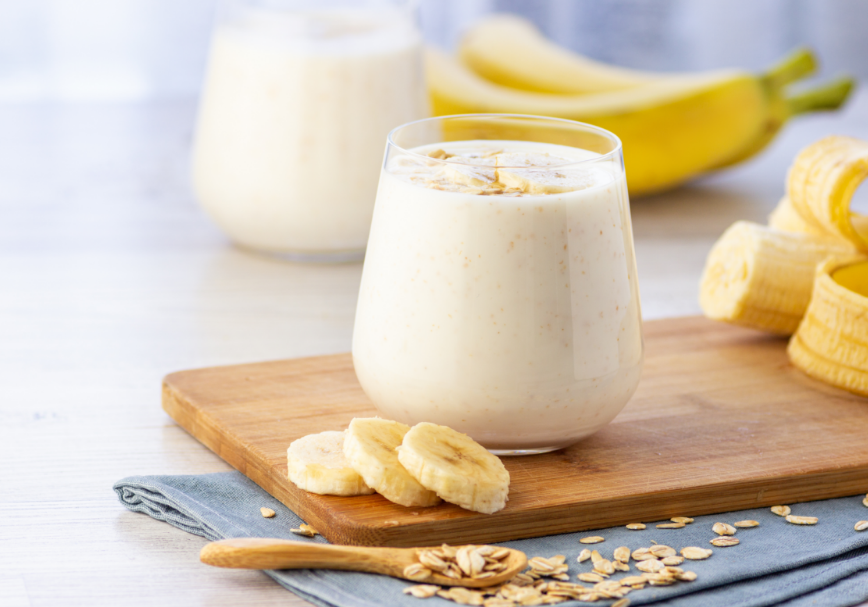
You can also blend fruits into smoothies for added variety. Using plain yogurt or milk instead of ice cream helps reduce added sugar while still keeping the texture smooth and easy to consume.
Add Cooked Vegetables for Balance
Vegetables provide essential fiber and nutrients, and cooking them until soft makes them much easier to eat. Steamed carrots, zucchini, squash, and green beans can be mashed or chopped finely to reduce chewing effort.
Soups made with well-cooked vegetables are another great option. Pureed vegetable soups offer warmth, hydration, and nutrition without putting stress on temporary dental work.
Focus on Lean, Soft Proteins
Protein plays an important role in healing and maintaining strength, especially after dental procedures. Scrambled eggs, soft tofu, flaky fish, and shredded chicken cooked until tender are all good choices.
Greek yogurt, cottage cheese, and smooth nut butters can also help you meet protein needs without excessive chewing. These foods are filling and support muscle and tissue repair while staying gentle on your teeth.
Limit Sugary and Sticky Foods
Although ice cream and pudding may be easy to eat, frequent sugary snacks can increase the risk of cavities and plaque buildup, particularly when brushing feels uncomfortable. Sticky foods may also cling to temporary veneers or crowns, making them harder to clean.
Choosing healthier soft foods helps protect your smile and keeps your energy levels steady throughout the day.
Eating Soft Foods With Other Dental Appliances
Many patients ask questions like, can I eat normally with dentures or other dental appliances? While dentures and temporary restorations differ, the principle is similar: choosing foods that are soft, nutritious, and easy to manage can help prevent discomfort and damage. Paying attention to texture and avoiding excessive force while chewing supports better outcomes across many types of dental care.
A soft food diet doesn’t have to feel restrictive when you plan meals with nutrition and variety in mind.
About the Practice
Rubal Dentistry of Azle provides comprehensive dental care, including cosmetic treatments such as veneers and crowns. Dr. Frank Rubal and Dr. Jodie Rubal dedicated to helping patients feel informed and comfortable throughout every stage of treatment, offering guidance and personalized care to support healthy, confident smiles.
Call us at (817) 444-2585 or request an appointment online.
No Comments
No comments yet.
RSS feed for comments on this post.
Sorry, the comment form is closed at this time.